St. Pierre-Jolys: A Francophone village with rural charm
A rich Francophone heritage.
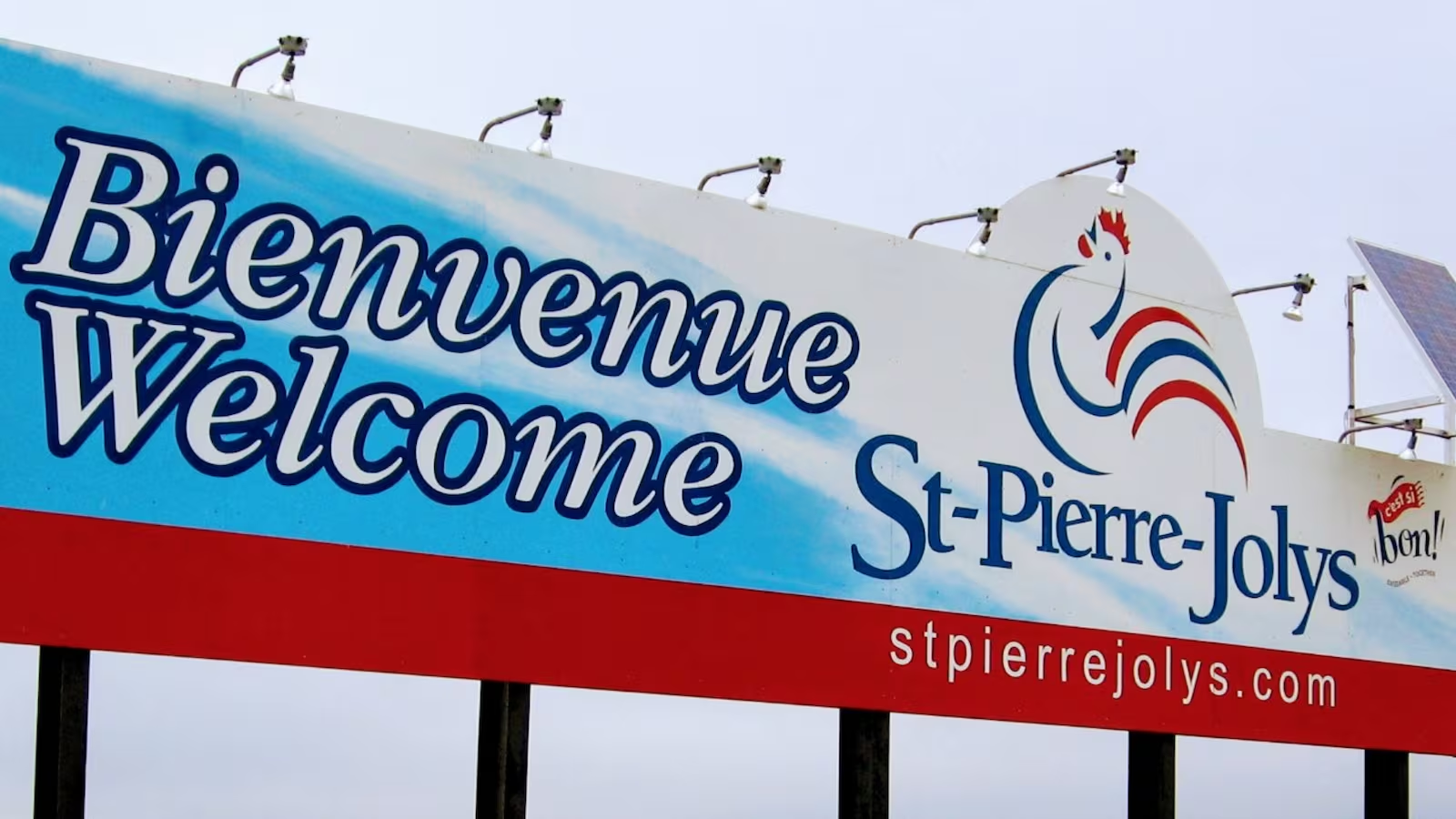
Forty minutes south of Winnipeg, in the heart of the Red River Valley, St. Pierre-Jolys is a vibrant village where Francophone culture is deeply rooted and proudly celebrated. Initially settled by French-speakers of Métis and Quebec heritage, the village took the name of St. Pierre with the arrival of Father Noël-Joseph Ritchot and Joseph Dubuc. Later, Father Jean- Marie Jolys, originally from Brittany, France, started a parish and encouraged Quebec families to move there. The name “Jolys” was added in the 1920s to recognize his contribution.
Cultural attractions
The Frog Follies (Folies Grenouilles) Festival is a unique frog-jumping championship held every year on the second weekend of July. The first edition, in 1970, was attended by Queen Elizabeth II and Prince Charles. Now part of the Agricultural Fair, the event attracts thousands of visitors.
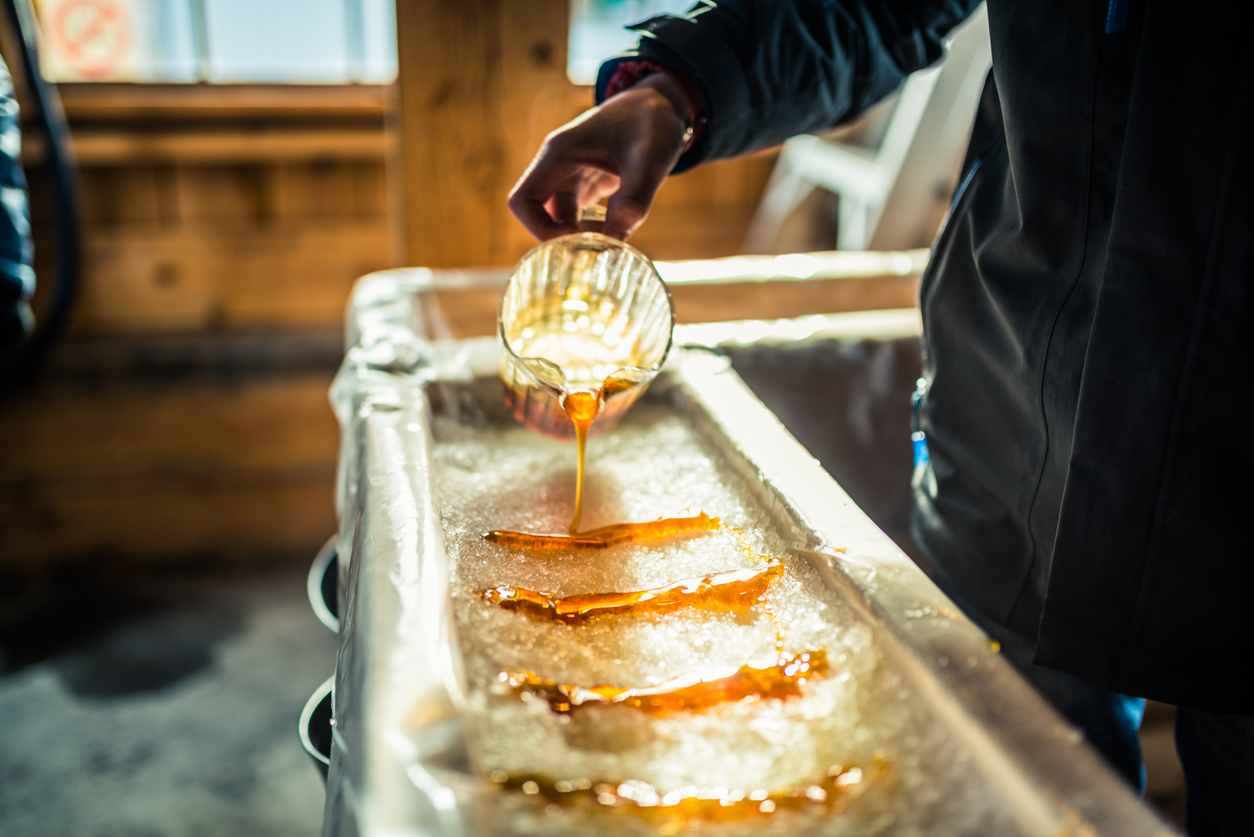
Sugar Shack: St. Pierre-Jolys has been producing maple syrup since the 19th century. Every April, the village’s Sugar Shack opens its doors to celebrate this sweet heritage.
Services and amenities
St. Pierre-Jolys is the business and administration hub for the village and the RM of De Salaberry and includes:
A bilingual regional health centre
The region's only bilingual RCMP detachment
Provincial and federal government services available in English and French
Economy and education
Main industry: Agriculture, with fertile land suitable for grain crops as well as hog, poultry and dairy farming.
Education: The village has both a French-language school and a French immersion program.
Bilingualism: Because 70% of residents speak French, bilingual services are readily available
701 Avenue Jolys East St. Pierre-Jolys, MB R0A 1V0